How to Remove Lichen from a Roof in NZ, The Right Way
Roof lichen in Wellington? What actually works: a roof-safe biocide, 4–6 weeks dwell time, no water blasting. Full guide for NZ homeowners.
Kill it with a roof-safe biocide, don't blast it. Apply an even spray at low pressure, then wait 4–6 weeks for the dead lichen to break down and rinse off with rain. Water blasting strips the protective coating off concrete tiles and doesn't kill the spores, so the lichen is back within 18 months. Typical professional treatment quote: $450–900 depending on roof size and access.
Got lichen on your roof? Best treated 4–6 weeks before listing photos or before winter rain. Send through your address or ring 0274 055 110.
Every year around autumn James gets a run of calls from Wellington homeowners who’ve spotted that grey-green (or stubborn orange) crust across their roof and want it gone before listing photos, before the insurance renewal, or just because it’s been quietly spreading for three years and they finally noticed.
Here’s the full answer: what lichen actually is, why blasting it off is the wrong call, what does work, and when the job makes sense to DIY versus handing over.
- 5–10years of roof life lost to untreated lichen
- 4–6weeks dwell time for biocide
- $450–900typical professional treatment
- 18 moregrowth if treated incorrectly
What lichen actually is
Lichen isn’t a single organism, it’s a symbiosis between a fungus and an alga living together as one structure. The fungus provides the physical body and anchors to the surface; the alga photosynthesises and feeds them both. That partnership makes lichen remarkably tough. It can survive drought, UV, and cold that would kill most plants, which is exactly why it thrives on south-facing Wellington roofs year after year.
What grips it to your tiles are structures called rhizines, root-like filaments that physically penetrate the surface. On concrete tiles, those rhizines etch into the coating. On Coloursteel and pressed metal, they work under the paint film. This is different from moss, which sits on top and can be physically dislodged. Lichen is anchored in.
NZ has two common roof varieties. The grey-green kind (often Parmotrema or similar) is the most widespread and responds reasonably well to biocide treatment. The orange-to-rust variety is harder, it typically needs a second application and a longer dwell period before it fully dies back.
Why it actually matters
The visual case is obvious, lichen-covered roofs look neglected, and drone photography has made it impossible to hide on listing photos. Real estate agents in Wellington now specifically flag lichen as a deal-breaker on sales appraisals because buyers increasingly check roof condition before making offers. If you’re selling, a lichen-covered roof is a negotiating point against you.
The structural case is less visible but more serious:
- Lichen holds moisture against the tile surface continuously, accelerating surface erosion and joint degradation
- The rhizines physically etch into concrete tile coatings over years, compromising the protective layer that makes tiles weather-resistant
- On Coloursteel and pressed-metal roofs, the lichen works under the paint film, causing delamination that often isn’t obvious until it’s widespread
- Industry consensus is that untreated lichen meaningfully shortens roof life, the exact number varies by tile type, exposure and how long it’s been left, but treating it is unambiguously cheaper than leaving it
- Insurance assessors and pre-purchase building inspectors now photograph roof lichen specifically as a deferred-maintenance item
The cost of doing nothing compounds quietly. By the time tiles are visibly pitted or a metal roof is delaminating, you’re looking at re-coating or replacement, not a $600 treatment job.
The wrong way to remove lichen
This is the section worth paying attention to if you’re tempted to hire someone cheap or do it yourself with a pressure washer.
Water blasting is the most common mistake. High-pressure water will blast the lichen loose, the roof looks clean immediately, but two things happen that make it worse in the long run. First, the pressure strips the protective coating off concrete tiles, exposing the bare cement underneath. That coating is what makes the tile weather-resistant. Once it’s gone, it’s gone, and many tile manufacturers will void the warranty if you high-pressure blast the roof. Second, water blasting doesn’t kill the lichen spores embedded in the tile surface. Growth returns within 12–18 months, and the surface it’s growing on is now more porous and vulnerable than before.
Stiff brushing has the same warranty problem as blasting, the abrasion damages the coating, without the thoroughness of even getting the lichen fully off. It’s the worst of both worlds.
Household bleach at full strength will kill surface lichen. It will not kill the rhizines embedded in the tile. Regrowth comes back in 10–12 months, and full-strength bleach running off the roof damages painted gutters and spouting, kills garden beds under the drip line, and can stain brick or concrete paths.
DIY pressure washers introduce a safety problem on top of the technical ones. Most homeowners don’t have safe roof access, and a domestic pressure washer on a wet, lichen-covered concrete tile is genuinely dangerous. Falls from height are the most common serious home-maintenance injury in NZ. The ACC data on ladder and roof falls is not comforting reading.
Don't walk on the roof. Falls are the most common roof-clean accident, and wet lichen on a concrete tile is about as slippery as it gets. This is not the job to improvise with a ladder and a bucket.
Don't use household bleach at full strength. It damages painted spouting when it runs off and won't kill the rhizines anyway. Purpose-formulated roof biocides are diluted, lower-pH, and designed to run off without burning plants or staining surfaces below.
Don't blast dead lichen off after treatment. Once the biocide has done its work, the dead lichen will flake and rinse away naturally over 2–3 rainfalls. Blasting it strips the tile coating at the same time. Leave it to weather off.
The right way, soft wash with roof biocide
The correct method is low-pressure application of a purpose-formulated roof biocide, followed by a dwell period long enough for the chemistry to kill the lichen back to the spore level.
How it’s applied: An even spray at 200–400 PSI using a backpack or wand, enough to saturate the surface, not enough to do any damage. The biocide needs to contact every part of the lichen, including the edges and underneath. Missed patches will regrow and spread back across treated areas. The entire roof gets treated, not just the visibly affected sections.
What happens during dwell: The biocide works its way into the lichen structure over the following weeks, killing the fungal component and the rhizines. The lichen turns brown, then grey-white, then starts to break down at the edges. You’ll see it lifting from the tile surface. Over the next 2–3 rainfalls it rinses away naturally, leaving a clean surface beneath. This is not the same as the lichen washing off immediately after blasting, this is the lichen fully dead and detaching from a surface that’s still intact.
Dwell time: Four to six weeks for standard grey-green lichen. Six weeks for heavily encrusted areas. The orange variety often needs a second application two to three weeks after the first, then another four weeks of dwell. Don’t scrape or pressure-rinse the dead lichen, it comes off on its own.
Wellington-specific factors:
South-facing roofs in Newlands, Brooklyn, Khandallah upper streets, Crofton Downs, and Ngaio get minimal direct sun and tend to stay damp longer. These roofs need the full six-week dwell and often benefit from a second application as standard, not just for orange lichen.
Coastal roofs in Lyall Bay, Petone, and Eastbourne need a salt-aware biocide formulation. Salt crystals in the tile surface can inhibit standard biocides and also affect how the product penetrates. The wrong product on a coastal roof is noticeably less effective.
Coloursteel, Metalcraft, and pressed-metal roofs need a colour-safe formulation specifically, standard biocides can affect the pigment in some metal coatings. Any contractor treating a metal roof who doesn’t specify the product formulation is worth questioning.
Bundle for better value: Roof treatment booked alongside a house wash and gutter clean is typically 10% off the combined price. Same mobilisation, same equipment, and the gutter clean makes sense immediately after roof treatment anyway, dead lichen ends up in the spouting.
Take before-and-after photos. Useful for insurance documentation, pre-sale records, and body-corp maintenance logs. James sends a photo set with every job.
DIY vs professional, the honest comparison
DIY is viable if…
Single-storey home, safe ground-level application from spouting height with an extended wand, you can source a quality roof biocide (not bleach), and you're prepared to apply a second coat for orange lichen. Cost: $80–150 for product + equipment. Time: 3–4 hours on the roof edge plus the 4–6 week wait. The biology works the same regardless of who applies the product.
Hire out if…
Two-storey property, steep roof pitch, complex valley configuration, Coloursteel or metal roof requiring colour-safe product, coastal property needing salt-aware formulation, or you're on a sale timeline and want documented before-and-afters. Professional treatment runs $450–900 for most Wellington homes. The cost difference versus DIY closes fast once you factor in product quality, access equipment, and the risk of an incorrect second application.
The honest case for hiring out isn’t that DIY is impossible, it’s that the two-storey access problem is real, the product selection matters more than most homeowners realise, and a botched application (wrong product, insufficient coverage, blasting the dead lichen) means paying for the job twice.
When to do it, Wellington timing
Roof biocide dwell time requires the product to stay on the surface long enough to work. That means avoiding conditions that wash it off before it’s had time.
Autumn (April–May) is the best window. Lichen growth slows as temperatures drop, making it more vulnerable to biocide. The rain that follows in June and July rinses off the dead growth naturally. Booking in April or May means the roof is clean for winter.
Early spring (September) is the second-best window. Catches any growth that established over winter before it gets the UV boost of summer.
Avoid mid-winter (June–July) for treatment, not for scheduling, the heavy rainfall washes the biocide off before it’s had enough dwell time to penetrate fully. You end up with a partial kill and faster regrowth.
Avoid mid-summer (December–February), high UV and heat degrades some biocide formulations before they complete the kill cycle. Not as problematic as mid-winter, but autumn and spring get consistently better results.
If you’re selling: Book treatment at least six weeks before listing photos. The roof won’t look clean the day after treatment, the visual result comes with the weathering process. A treatment done two weeks before photos will show dead-brown lichen rather than clean tile, which reads worse on camera than the original grey-green growth.
What to expect from a professional job
A proper lichen treatment job on a Wellington home includes:
- Pre-treatment inspection, tile type, lichen species, access points, any cracked or displaced tiles flagged
- Even low-pressure biocide application across the full roof, including ridgeline, valleys, and edges
- Downpipe and spouting inspection (dead lichen will flush through during dwell)
- Return visit for second application on orange lichen or heavy infestations (some operators include this, others quote separately, ask before booking)
- Before-and-after photos sent by email
- Guidance on timing for follow-up inspection (typically 8–10 weeks after treatment)
What it doesn’t include: immediate visual results. If a contractor promises a visually clean roof on the day of treatment using a biocide method, they’re either blasting the dead material off (damaging the tiles) or misrepresenting what biocide treatment does.
Common questions
How long does lichen treatment last?
A well-executed biocide treatment with proper dwell time keeps most Wellington roofs lichen-free for 3–5 years. South-facing roofs in shaded valleys, parts of Ngaio, Khandallah, and the upper Brooklyn streets, may need treatment every 2–3 years. Coastal roofs treated with the right product are in the same 3–5 year range.
Will it come back?
Yes, eventually. Lichen spores are everywhere. The question is timeline. Correct treatment with full dwell gives you 3–5 years. Incorrect treatment (blasting, bleach, insufficient dwell) gives you 12–18 months.
Does it work on all roof types?
The biocide chemistry works on all roof types, concrete tile, terracotta, Coloursteel, Decramastic, pressed metal. The product selection and dilution rate varies by surface. Concrete tile is the most straightforward; Coloursteel and Decramastic need a confirmed colour-safe formulation.
Can I just leave it?
Technically. Lichen won’t cause immediate structural failure. But the 5–10 year roof-life reduction is real, and an insurer or pre-purchase inspector flagging it as deferred maintenance has financial consequences well beyond the cost of treatment. The math rarely favours leaving it.
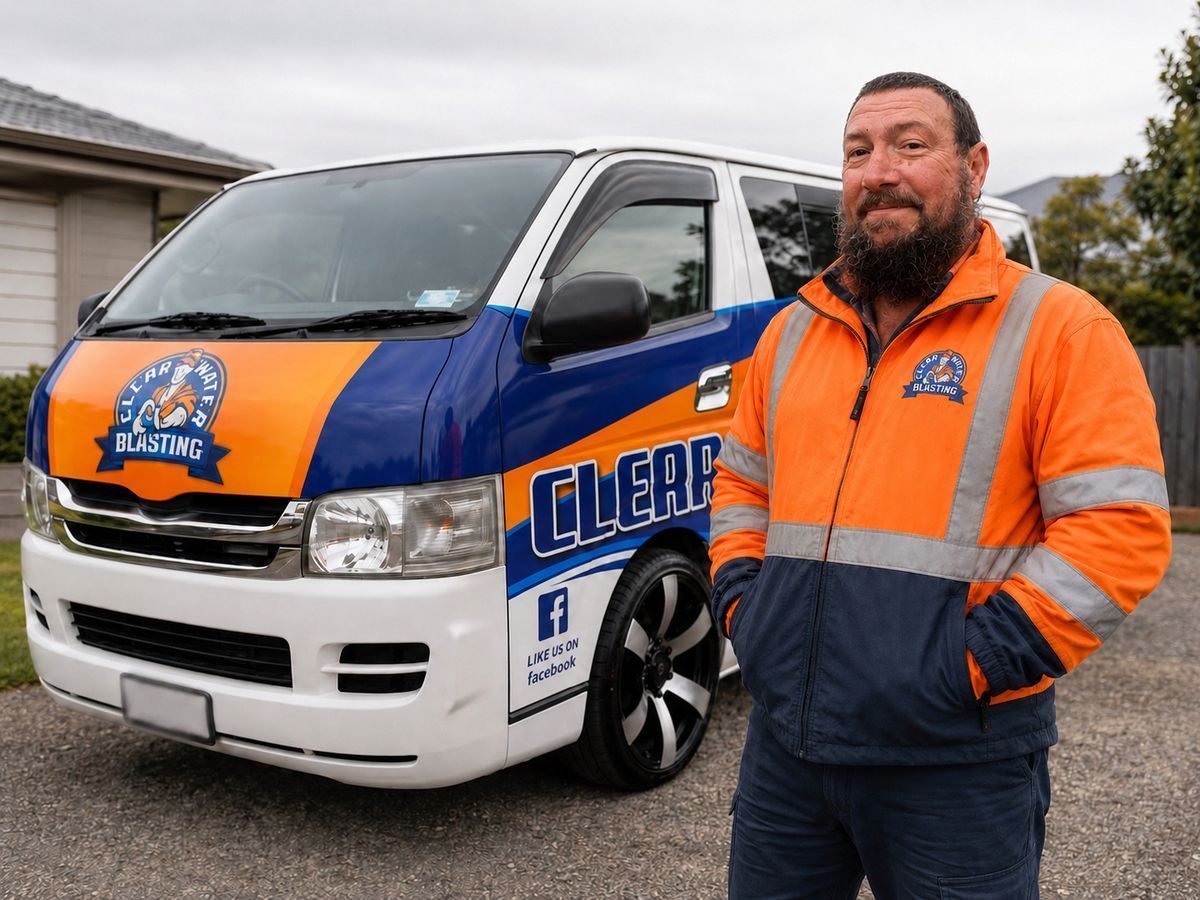
James, Clear Water Blasting Services. Wellington roofs since 2001.

Written by James · Clear Water Blasting Services
Owner-operated since 2001 from Johnsonville. James does every quote and every job himself across Wellington, the Hutt, Kapiti, Porirua and the Wairarapa.
From the blog
Most recent posts
Wellington gutter cleaning: how often, how much, and what happens if you don't
Wellington's most-requested exterior service, and most-neglected. The full guide: schedule, cost, DIY risks, what happens if you skip it.
Read → Is water blasting safe for paint? The straight answer.
Short answer: no, not on a painted house. Long answer involves PSI, paint age, paint type and what soft washing does instead. The full guide for Wellington homeowners.
Read →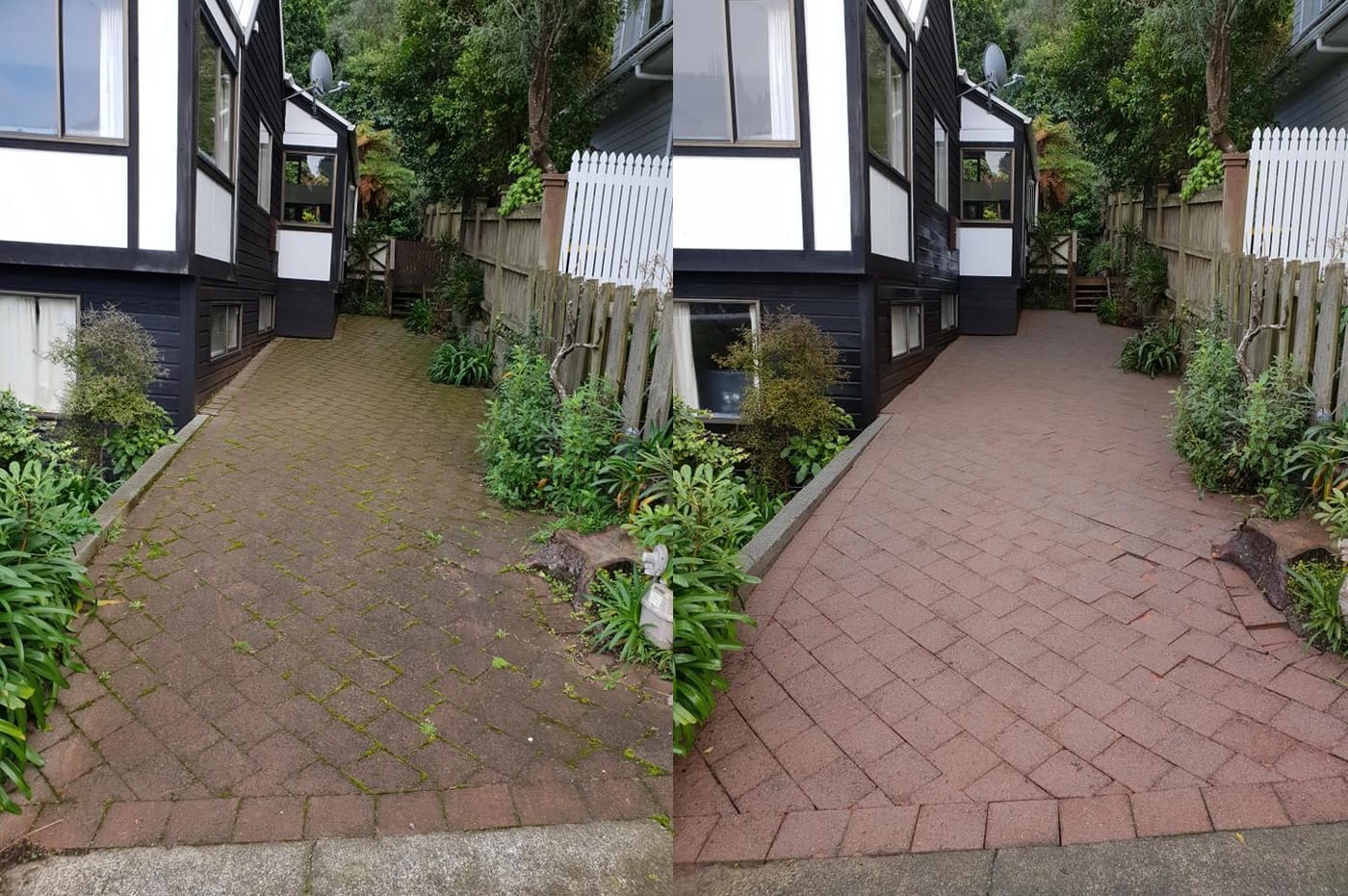
The Wellington homeowner's pre-sale exterior checklist
Real-estate agents agree on one thing: a clean exterior lifts offers. Here's the exact pre-sale checklist for Wellington homes, what to do, when to book it, and what to skip.
Read →